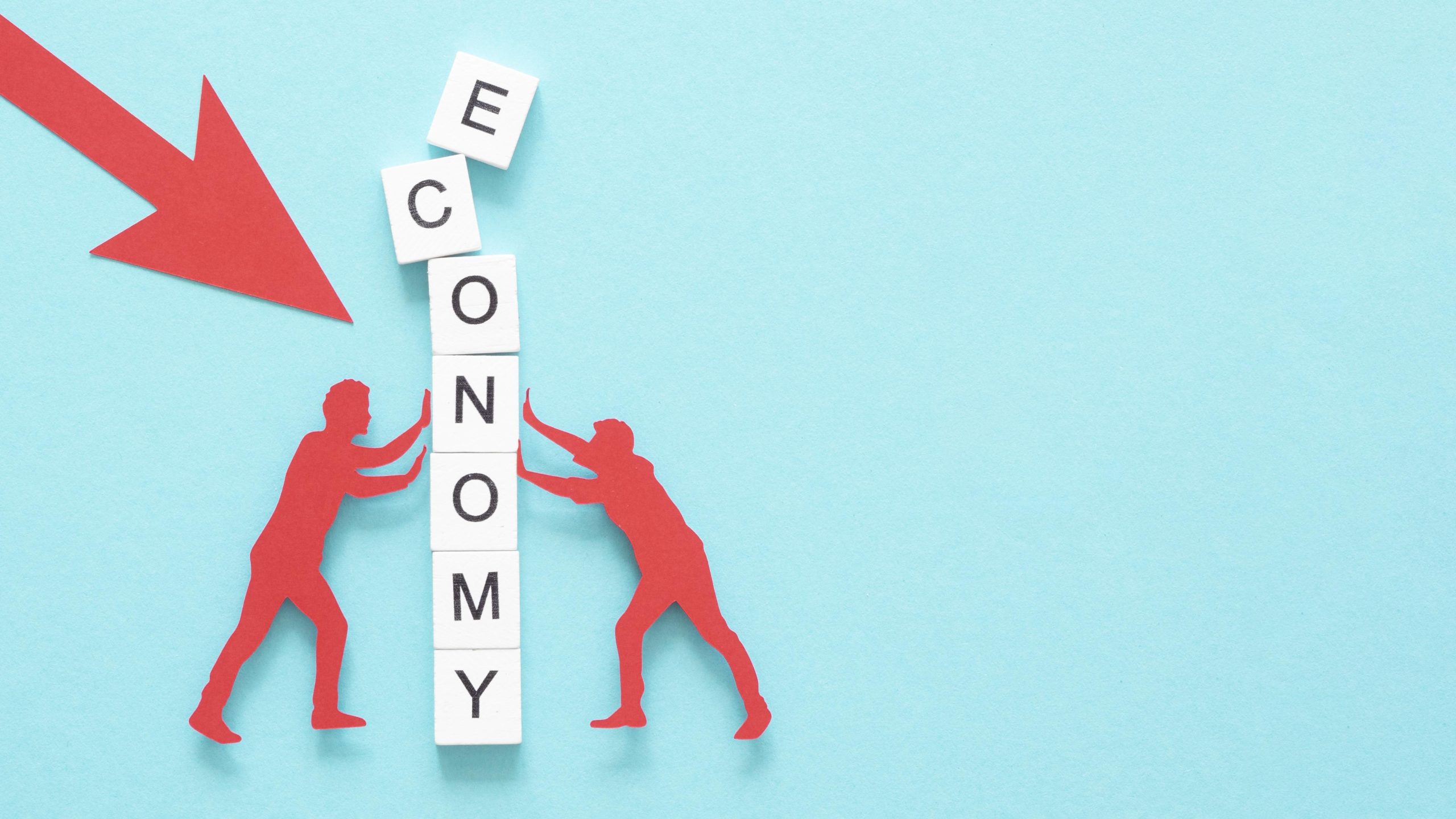
The World Economic Forum Annual Meeting 2026 centred on the core theme “A Spirit of Dialogue” concluded that the present global situation of inflation, interruption of supply chains and geopolitical tensions is a serious challenge to small businesses due to increased costs, limited stocks and narrowing financing opportunities. The small and medium business is subject to intense competition, and many entrepreneurs are fighting for survival as a result of the economic shocks.
The economic instability and rising inflation are forcing them to balance the higher operational costs and the shrinking profit margins. The insecurity seriously reduces the banks’ willingness to provide loans, finance start-ups and small entrepreneurs. The skills shortage is deepening and problems with recruitment and retaining of talent force the small businesses into rethinking their traditional practices.
In times of turbulence in the global trade flows the small business is often the first victim. SMEs do not have at their disposal the resources, capacity and networks that large corporations use to absorb the market shocks. They cannot easily redirect the supply chains, diversify their stocks or handle complicated customs procedures. Therefore, the EU launched a SME Trade Defence Helpdesk that offers tools and training to combat unfair trade practices.
In the process of supply chain fragmentation and reorientation, potential emerges for SMEs to gain ground locally. Many countries are making efforts to create opportunities for SME to become part of the regional ecosystem in the role of suppliers of goods and services or partners in innovations.
The technological novelties do not destroy opportunities but rather increase the variety of possible options. The global economic trends create challenges and opportunities at the same time, and it will be to the benefit of the small business to understands them to be able to cope with the complexities of the modern market.
It is true that globalisation increased competition from foreign companies but at the same time it opened new markets for the small business and allowed it to broaden its customer base beyond the national borders. To capitalise on globalisation, small business should ensure their strong presence online, understand the preferences of international clients and comply with the regulations of other countries.
The fast technological changes modified productions worldwide. For the small biasness in particular introducing new technologies may mean cost savings, more satisfied clients and increased effectiveness. Keeping up with technological advances however requires investments and continuous learning and the resources of the small businesses are limited.
The economic fluctuations, no matter whether recessions or upsurges, have substantial influences on small companies. Those participating in the international trade suffer from the pressure of currency fluctuations that influence the prices and profitability. Changes in the trade policies and customs tariffs increase the prices of the small producers’ goods and make them less competitive on international markets.
With the increasing focus on the environmental issues sustainable consumption is becoming a priority for the business as well. When applying sustainable practices, the small business not only reduces its environmental footprint but attracts a larger segment of ecologically conscious customers. This trend is an excellent opportunity for innovations and for gaining market distinctiveness.
The global demographic trends like aging population or urbanization equally influence consumer behaviour and the demand for goods and services. The small business would benefit from adjusting its offerings and marketing strategies to such changes. Being familiar with the trends means forecasting the market needs in a way that allows for strategic positioning.
The geopolitical tensions and conflicts are destroying the global supply chains, affecting the trade routes and creating uncertainty on the international markets. Small companies in those regions or those that rely on them suffer from delays, increased prices or lost access to the market.
Adapting to the global economic trends requires strategic planning and a proactive approach.
What are the possible strategies?
- Market monitoring and research (economic indicators, consumer behaviour and regulatory changes) and evaluation of their potential impact on the sector.
- Introducing flexible business models that allow fast adaptation to the changing circumstances. Those would be product diversification, research of new markets, adapting the pricing.
- Investments in technologies that increase the effectiveness, reduce the costs and improve the customer experience.
- Maintaining stable fiscal reserves, debt management and studying financial opportunities for financial stability.
- Including environmentally friendly practices in the activity to improve the images of the brand, reduce the costs and attract ecologically conscious clients.
- Adopt a risk management plan that monitors geopolitical, economic and operational risks and reflects changes in the circumstances.